
Precision Delivered: How Radiopharmaceuticals Are Reshaping Cancer Care
As radiopharmaceuticals continue to evolve, the convergence of scientific innovation, operational practicality, and clinical expertise is opening new possibilities in oncology.
As radiopharmaceuticals continue to evolve, the convergence of scientific innovation, operational practicality, and clinical expertise is opening new possibilities in oncology.

Kelonia Therapeutics brings to Eli Lilly an in vivo cell therapy in early clinical development for multiple myeloma. The deal complements Lilly’s acquisitions of Verve Therapeutics and Orna Therapeutics in the past year, each taking different approaches to developing in vivo genetic medicines.

Enterprise EHR boosts scalability, interoperability, and governance for large healthcare systems.

Obsidian Therapeutics aims to show its TIL cell therapy has advantages over an Iovance Biotherapeutics TIL therapy marketed for treating melanoma. Obsidian’s merger with Galera Therapeutics will give it a public listing and a private placement to support clinical development of the combined company’s cancer drug pipeline.
Eli Lilly is paying up to $300 million for CrossBridge Bio, a startup developing antibody drug conjugates that deliver two drug payloads to cancers. Beyond potentially better efficacy, CrossBio’s dual approach could also fight drug resistance.
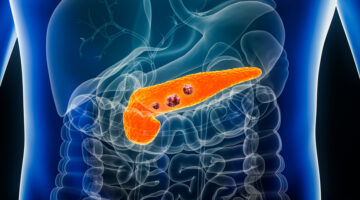
Revolutions Medicines’ daraxonrasib met the main goals of its Phase 3 test in pancreatic cancer, posting results that were both statistically significant and clinically meaningful. The company now plans to file for speedy regulatory approval under a new FDA pilot program.
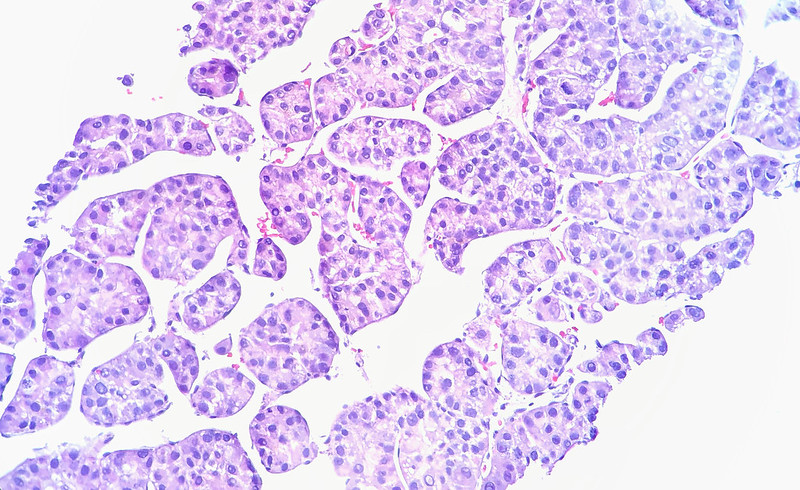
There are no FDA-approved therapies for GPC3, a protein highly expressed by liver cancers. Oricell Therapeutics claims its cell therapy could be best in this class, but it faces competition from companies such as AstraZeneca and Eureka Therapeutics.

How to turn analytics into actual policy outcomes.
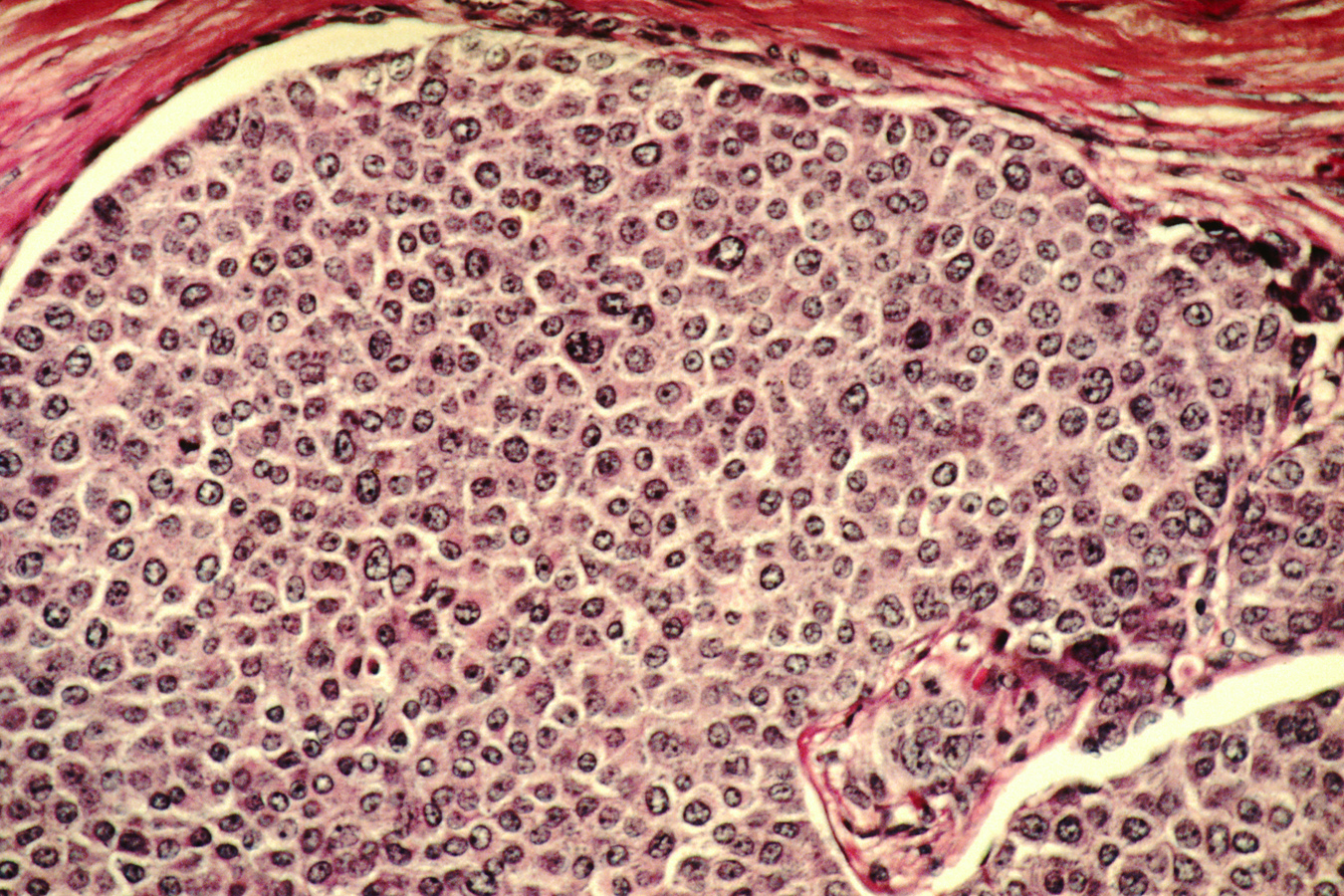
Gilead Sciences exercised its option to license a Kymera Therapeutics’ protein-degrading drug designed to eliminate the cancer-driving protein CDK2. Meanwhile, Roche’s new partnership with C4 Therapeutics is focused on developing degrader antibody drug conjugates for undisclosed cancer targets.
Gilead Sciences’ Tubulis acquisition brings antibody drug conjugates in clinical development for cancer. Analysts say the Tubulis platform technologies that yielded these ADCs could also help Gilead develop drugs in other therapeutic areas.
Merck has been acquiring assets that could help make up for the coming revenue decline as its top product, the cancer drug Keytruda, drops off the patent cliff. Terns Pharmaceuticals’ lead product candidate, in development for treating a type of leukemia, could offer dosing and efficacy advantages over the Novartis drug Scemblix.
Novartis already markets the PI3Kα inhibitor Piqray for breast cancer, but acquiring a Synnovation Therapeutics subsidiary brings an early clinical program that the pharma company claims could be best in the class of next-generation therapies for the target. Competitors include Eli Lilly, Relay Therapeutics, and OnKure Therapeutics.


Zelis highlights how employers, payers, and consumers are integrating digital tools to manage healthcare costs.
Leucovorin is now approved for cerebral folate deficiency months after FDA Commissioner Marty Makary claimed the decades-old generic drug had promise for treating autism. The FDA’s review was based on published literature and real-world evidence.
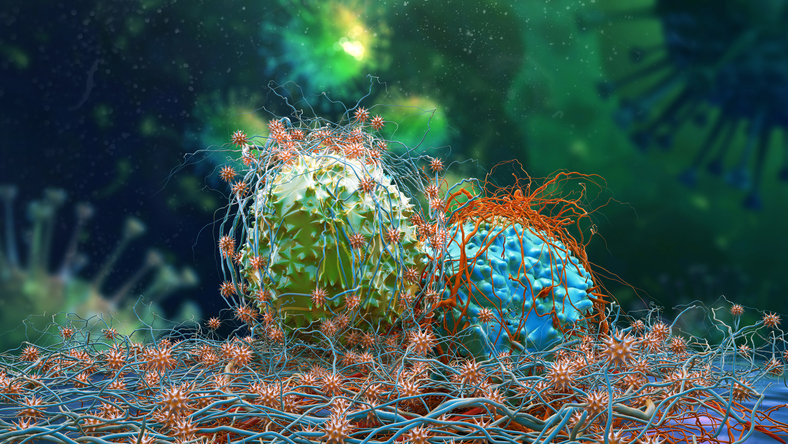
Waiv, formerly the diagnostics division of AI biotech Owkin, developed AI-enabled testing technologies that found use in clinical settings and in cancer drug research. Spinning out as an independent company enables Waiv to pursue its own growth strategy, co-founder and CEO Meriem Sefta said.
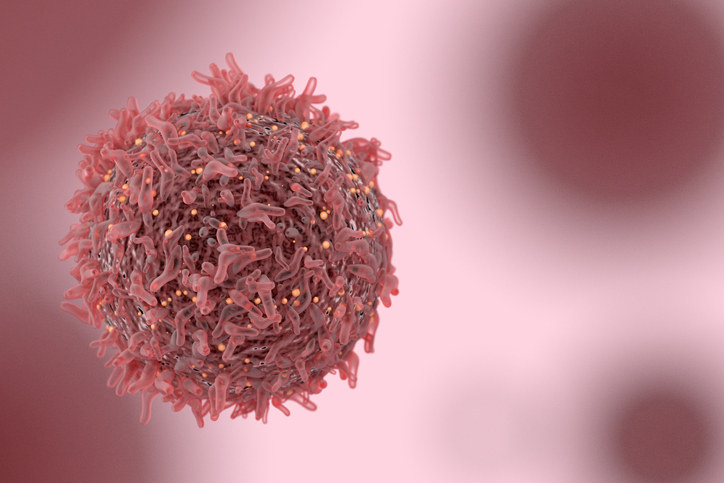
Day One Biopharmaceuticals is Servier’s biggest acquisition yet, topping the $2.4 billion it paid to buy Shire’s cancer business in 2018. Day One markets Ojemda, approved for treating pediatric low-grade glioma, the most common type of brain cancer in children.
Gilead Sciences and Arcellx have been collaborating on the multiple myeloma cell therapy anito-cel since 2022. This therapy was designed to provide better safety, which would be an advantage over Carvykti, the blockbuster multiple myeloma product marketed by Johnson & Johnson and Legend Biotech.
Despite missing statistical significance, Grail said the observation of trending improvement suggests potential for better results with more time, so the company is extending follow up by up to a year. More detailed trial results will be submitted for presentation at the annual meeting of the American Society of Clinical Oncology.