
AMA Calls on Congress to Improve Safeguards for AI Mental Health Chatbots
The American Medical Association is urging Congress to add safeguards for AI mental health chatbots amid safety concerns, while noting their potential to expand access.
The American Medical Association is urging Congress to add safeguards for AI mental health chatbots amid safety concerns, while noting their potential to expand access.

As always, this year's HLTH conference brought a slew of announcements — from product launches to funding rounds to new partnerships. This list features short summaries for seven of the conference’s most notable announcements.


Zelis highlights how employers, payers, and consumers are integrating digital tools to manage healthcare costs.

The AMA has launched a new Center for Digital Health and AI to ensure physicians are actively involved in shaping how emerging technologies are integrated into healthcare.

Florida plans to end all vaccine mandates, drawing sharp criticism from health experts who warn it threatens public health and could lead to preventable disease outbreaks.

Physicians are facing rising workloads, shrinking support staff and declining reimbursement — resulting in a burnout crisis and threatening the sustainability of independent practices. Experts say urgent Medicare payment reforms are needed to prevent further consolidation, as well as preserve access to care.

In a new analysis, the American Medical Association detailed the lack of competition among pharmacy benefit managers and their high level of vertical integration with insurers.


By reducing administrative burden and redesigning workflows around human needs, it creates space for what matters most: connection between clinicians and patients.

Several insurers, such as UnitedHealthcare, Aetna and Cigna, pledged to improve prior authorization. These changes include streamlining decision timelines and increasing transparency.
May has seen a slew of executive hires, exits and layoffs across the healthcare industry. For example, the American Medical Association and TigerConnect named new CEOs, and Google and UnitedHealth Group have seen key executives leave their roles. There were also layoffs at organizations including Devoted Health and New York-Presbyterian.

The current prior authorization process in U.S. healthcare constitutes a crisis, according to Jesse Ehrenfeld, immediate past president of the American Medical Association. Prior authorization is wasting clinicians’ time, delaying care and deepening public distrust — yet, payers show little urgency in fixing this problem, he said.
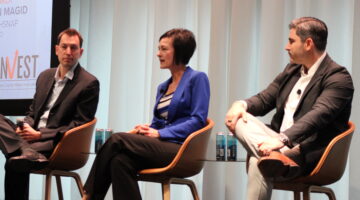
Healthcare experts shared key principles that are guiding health system strategy during a panel at MedCity News’ INVEST conference. These leaders believe in flexible, patient-centered engagement strategies, emphasize clinical value as the benchmark for adopting technology, and champion collaboration to scale solutions that deliver proven results.

How to turn analytics into actual policy outcomes.

The healthcare investor conference, scheduled for May 20 and 21 at the Willis Tower in Chicago, combines panel discussions, networking opportunities, and a startup pitch contest. Register today!

The American Medical Association released a new report on Monday on pharmacy benefit managers. It explained that there is low competition among PBMs and high vertical integration with payers.

Many primary care physicians are not participating in value-based payment models. A new study details why and potential solutions.

CMS issued its proposed rule for next year’s Medicare physician fee schedule, revealing plans to cut payment rates by 2.8%. Industry groups swiftly expressed their outrage, arguing that reimbursement rates need to keep up with the pace of inflation.
Here is a selection of recent executive hires, promotions and layoffs occurring across the healthcare industry.