
Europe’s Promising (But Rocky) Path to Embracing Single-Use Device Reprocessing
A proposed amendment to existing legislation could create centralized and harmonized rules for single-use device reprocessing across all EU member countries.

Lars Thording, PhD, serves as vice president of marketing and public affairs at Innovative Health LLC. He has a background in academia, consulting, and industry leadership. He has been responsible for the launch of numerous market-disrupting solutions across healthcare, insurance, and technology. Originally from Denmark, Thording has taught at universities in Denmark, Ireland, and the United States. He currently serves as the vice president of marketing and public affairs at Innovative Health, a medical device reprocessing company specializing in electrophysiology and cardiology technology. Lars currently serves on the board of the Association of Medical Device Reprocessors.
A proposed amendment to existing legislation could create centralized and harmonized rules for single-use device reprocessing across all EU member countries.

Monopolistic practices often fly under the radar, but they take a steep toll in many areas of healthcare. Here are four types of hidden costs we need to consider.

Small practices play a critical role in healthcare delivery, but they cannot continue to absorb ever-increasing administrative demands without consequences.

Our industry must guard against the weaponization of supply chain resilience in healthcare purchasing.

Within a matter of months, we’re likely to see substantial growth in the number of EP ablation procedures performed in surgery centers outside the hospital. Here’s what we can expect.

Hospitals would be much better served by focusing on reuse and reprocessing programs. So why isn't that happening and what can be done about it?
FDA’s regulation of single-use device reprocessing effectively made the U.S. the leader in EP sustainability efforts early on. However, very little has been done to build on this early leadership.

Enterprise EHR boosts scalability, interoperability, and governance for large healthcare systems.

Hospitals and hospital systems need to make clearer and more consistent demands for climate accountability from their suppliers, and they need to follow through with preferred green vendor programs and the like.

Right now, manufacturers are thriving. Hospitals are failing. And patients are suffering. We must stop this trend in its tracks by becoming better stewards of hospital resources and supply chains.

Designing devices for re-use remains a more resilient solution for supply disruption in healthcare devices. But until manufacturers consistently pursue this strategy, single-use device reprocessing can provide the benefits associated with a circular economy solution.

Although some short-term problems—like a lack of ICU beds to treat Covid-19 patients—have abated, deeper issues have emerged that represent long-term challenges for U.S. health systems.


By reducing administrative burden and redesigning workflows around human needs, it creates space for what matters most: connection between clinicians and patients.

President Joe Biden's July executive order supported the repair and reuse of many different products but excluded that for healthcare products. It is disappointing that the President’s order ignores established healthcare re-use practices that pose no elevated patient risk and follow manufacturer standards.
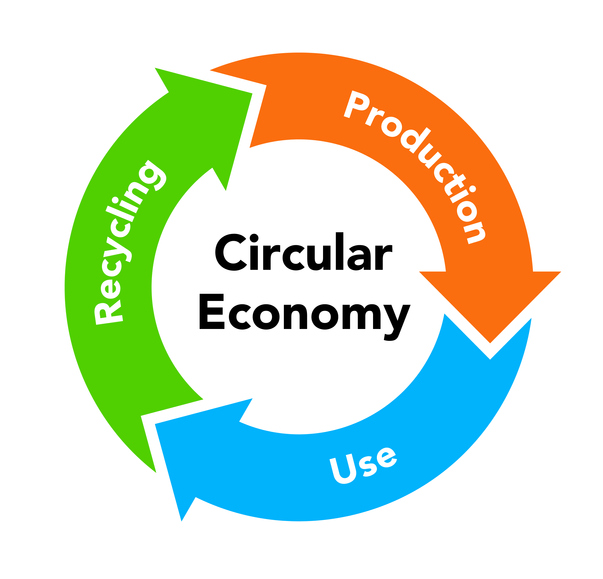
In healthcare, the linear (take-make-dispose) approach to consumption is even more pronounced than in American culture in general. It's time for change.
The Heart Rhythm Society's annual meeting is dominated by the presence of electrophysiologists and is a key event that brings the great clinical minds of our generation together to share real-world practices and success.