
Why Synthetic Data is the Antidote to Clinical Trials
To address the clinical burden and enhance R&D, companies are turning to virtual solutions. This involves synthetic data, digital twin models, and AI to speed analysis.
To address the clinical burden and enhance R&D, companies are turning to virtual solutions. This involves synthetic data, digital twin models, and AI to speed analysis.

Soleno Therapeutics brings Neurocrine Biosciences Vykat XR, a drug commercialized for treating the rare genetic disease Prader-Willi syndrome. This blockbuster prospect complements Crenessity, a Neurocrine drug approved for treating a rare endocrine disorder called congenital adrenal hyperplasia.


Zelis highlights how employers, payers, and consumers are integrating digital tools to manage healthcare costs.
Congress has already granted the FDA flexibility in evaluating therapies for rare diseases, including the use of real-world evidence and natural history data when traditional large-scale trials are not feasible. The question before the FDA now is not if those tools can be applied – they can – but if the agency has the courage to use them before more patients lose their autonomy, and ultimately, their lives, to rare disease.

I lived for nine years with ALS while navigating a healthcare system that routinely obscured my own medical reality. But I know that pain is only amplified for individuals without medical expertise like mine.

Every year shaved off the diagnostic odyssey means fewer irreversible complications, fewer misdiagnoses, and fewer clinicians and families left wondering what they missed. A unified, longitudinal approach doesn’t just speed up diagnosis — it changes, and in some cases saves, lives.

Novo Nordisk is paying $240 million up front for global rights to zaltenibart, an Omeros drug that blocks the MASP-3 protein to treat diseases caused by excessive activity of the complement system. This antibody drug is on track for pivotal testing that could show superiority over blockbuster AstraZeneca drugs that are standard treatments for a rare blood disorder.

Small practices play a critical role in healthcare delivery, but they cannot continue to absorb ever-increasing administrative demands without consequences.

Chiesi Global Rare Diseases is committing up to $115 million to begin a collaboration on Arbor Biotechnologies’ in vivo gene-editing therapy for primary hyperoxaluria type 1, an inherited liver disorder. It’s the rare disease company’s first foray into genetic medicines.

Inozyme Pharma’s main asset is in pivotal testing in children who have a rare enzyme deficiency that affects bones and blood vessels. BioMarin Pharmaceutical, already well established in enzyme replacement, said it will use its experience and infrastructure to grow the market for this product, potentially for several indications.

Orchard Therapeutics gene therapy Lenmeldy won FDA approval for treating the rare enzyme deficiency metachromatic leukodystrophy. In January, Kyowa Kirin completed its acquisition of Orchard, which now operates as a subsidiary of the Japanese drugmaker.
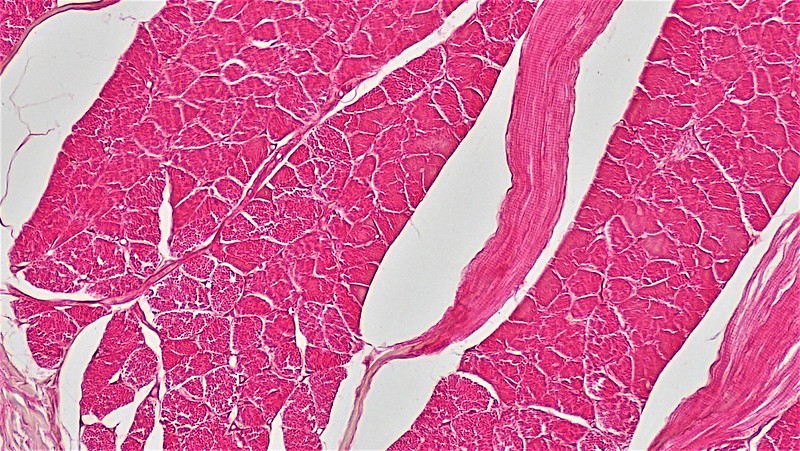
Dyne Therapeutics recently reported encouraging Phase 1/2 clinical data in myotonic dystrophy type 1 and Duchenne muscular dystrophy. At the J.P. Morgan Healthcare Conference, CEO Joshua Brumm said Dyne’s existing cash combined with the new capital is expected to last through 2025—well beyond the next key milestones for both therapeutic candidates.

Enterprise EHR boosts scalability, interoperability, and governance for large healthcare systems.

Despite an affirmative FDA advisory committee vote, the agency declined to approve Alnylam Pharmaceuticals’ Onpattro for treating the heart complications caused by a rare, inherited protein disorder. But Alnylam has other drugs candidates for the disease, including one expected to post Phase 3 data in the first half of 2024.

The Orchard Therapeutics acquisition comes as the biotech’s gene therapy for metachromatic leukodystrophy approaches a March 2024 FDA decision. The ex vivo gene therapy is already commercialized in Europe, marketed as Libmeldy.
Novartis’s iptacopan met the first of two main goals in its pivotal study in immunoglobulin A nephropathy, and the pharma giant plans to seek accelerated FDA approval next year. The drug could challenge two available therapies for the rare kidney disorder.
Sanofi dominates the market for therapies that treat Pompe disease, a rare enzyme deficiency. The FDA has approved an Amicus Therapeutics combination treatment for patients inadequately served by the Sanofi products.

Amgen and the Federal Trade Commission are settling the lawsuit the regulator filed to block the pharmaceutical giant’s $28 billion Horizon Therapeutics acquisition. As part of the settlement, Amgen agrees not to “bundle” its products with Horizon’s drugs in negotiations with health plans.